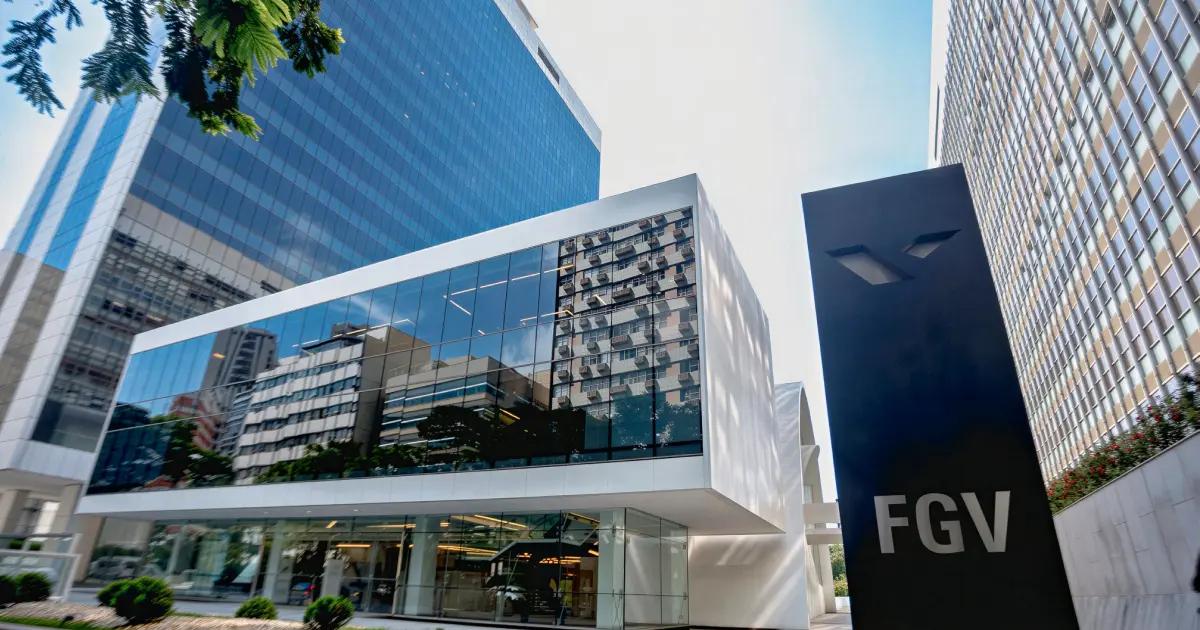
Ripple, the leading provider of blockchain-based enterprise solutions across traditional and digital finance, is bringing to Brazil its University Digital Asset Xcelerator (UDAX). Conducted in partnership between Ripple’s University Blockchain Research Initiative (UBRI) and Fundação Getulio Vargas (FGV), the initiative aims to connect academic innovation with the market, offering technical resources, specialized mentoring, and strategic connections for startups developing solutions on the XRP Ledger (XRPL).
The UDAX program arrives in Brazil for the first time and represents another step forward in Ripple’s UBRI program, which seeks to foster a global ecosystem where academic rigor meets real-world applications of blockchain technology. Over eight weeks, founders worked to scale their startups with support from Ripple, professors and experts from FGV and the University of California at Berkeley, and the global UBRI network to support nine startups at different stages of maturity. This edition of UDAX offered business seminars from world-class professors and leading industry experts, including FGV Center for Digital Finance Professors Jéfferson Colombo and Fernando Chague, USP Professors Marcos Simplício and Leandro Maciel, alongside mentors from FGV EESP, FGV Ventures, and FGV Crypto. Participants also received 1:1 mentoring and access to strategic partnerships and investment opportunities.
"What stood out in this cohort wasn't just the technology but it was who it serves. Tokenized credit for family farmers, transparent rails for social-impact donations, infrastructure that brings more institutions into regulated digital finance. When academic rigor meets real-world builders, you get blockchain applied to problems that genuinely matter. That's the heart of UBRI and Ripple's new UDAX.", says Lauren Weymouth, Senior Director of University Partnerships atRippleThe results achieved are a testament to the impact of Ripple’s corporate academic partnerships on the development of blockchain-based businesses. According to the survey conducted at the end of the cohort, startups reported an average 83% increase in product maturity, while investment readiness grew by 53%. Founders also reported an average 33% increase in confidence in their business models and a 15% growth in active users or paying customers.
The Demo Day on FGV’s campus brought together around 100 participants, including entrepreneurs, investors, Ripple representatives, mentors, academics, and members of the blockchain community to showcase the results of Ripple’s commitment to blockchain innovation."Academic research on digital assets has been moving slower than the market it studies. UDAX closes that gap by putting our faculty and Brazil's most promising founders in the same room to turn rigorous research into real companies. That's why the FGV–UBRI partnership matters.", Jéfferson Colombo, Director of FGV Digital Finance and professor at the São Paulo School of Economics of the Getulio Vargas Foundation (FGV).
Startups that turned projects into ready-to-scale solutions
- Levery, led by Cristiano Policarpo and Ingrid Gomes: Launched a sandbox environment for financial institutions to experiment with Ripple USD, XRPL-based liquidity, permissioned pools, institutional wallets, swaps, and tokenized asset infrastructure. The initiative brought together eight participating institutions and generated more than 44,000 onchain transactions, demonstrating the growing interest of Latin American financial institutions in stablecoin-based markets compatible with regulatory requirements. Through UDAX, Levery was able to grow its client base from seven to twelve organizations over eight weeks.
- Kapitale, founded by Anderson Pereira: Defined a concrete roadmap for receivables tokenization and transaction recording on blockchain. Throughout the initiative, Kapitale reimagined how XRPL infrastructure can increase transparency, programmability, and scalability in Brazil’s receivables financing sector.
- VS1 Finance, created by Nikoloz Beradze and Mikheil Didebulidze: Refined its strategy to bring corporate bonds onto the blockchain within central bank-supervised frameworks. Starting in Georgia and expanding into Central Asia and the Gulf (a ~$100B annual bond issuance market), VS1 was recently named in Messari's State of XRP Q1 2026 report among early platforms building fixed-income tokenization on XRPL. The company has completed its first central bank-approved platform demo and is preparing its first regulated RWA tokenized issuance for Q3 2026.
- BillPay, led by Glaucio Silva, Daniel Franco, and Rosangela Doehl: Underwent a repositioning process during the acceleration, evolving from an international payments solution to an infrastructure for collection and settlement between Brazil and Paraguay. With support from mentors and Ripple’s ecosystem, the startup validated its operational strategy for the corridor between the two countries and strengthened its network of strategic partners.
- TrustBond, founded by Luiz Calado, Rafaela Ferrari Kley, Rogério Nahas, and Marina Miranda: Used the program to enhance its platform focused on traceability and transparency of donations. The solution helps companies, donors, and social organizations track resources, measure impact, and access auditable proof of achieved results. The startup concluded the acceleration with seven active pilot projects with third-sector organizations and more than €1 million in donations requested through the platform.
- PixNow, led by Victor Cunha and Bruno Ventura: Reported significant progress in refining its business strategy, strengthening its go-to-market approach, and improving communication with clients and investors. During the program, the company expanded its client base from 12 to 17 and established new connections within Latin America’s fintech ecosystem.
- Regolda, founded by siblings Daniele and Isaac Kielmanowicz: Strengthened its vision of becoming one of the leading public gold-backed tokens on XRPL. During the acceleration, the startup established new strategic partnerships and improved its positioning among investors, precious metals market participants, and members of the blockchain ecosystem.
- Lendara, led by André Rodrigo Meira e Silva: Worked closely with legal mentors to address regulatory challenges related to its blockchain-based microcredit solution for family farming. Throughout the program, the company adapted its operational model for barter transactions in agribusiness, maintaining blockchain-based processes and regulatory compliance. The founder also highlighted that participation in UDAX helped open doors for dialogue with regulators and institutions linked to financial innovation.
- C9 Tech, founded by Thiago Chaves Ribeiro, Marcos Portes, Matheus, Arthur Gomes, and Helio Rosado Neto: Used the program to strengthen its fundraising narrative and deepen its positioning within the XRPL ecosystem. With an already operational product and a consolidated base of corporate clients, the company refined its strategy for applications related to payments, tokenization, and real-world assets. The company entered the program already operating on the XRPL Mainnet and serving 12 corporate clients.
Beyond technological advances, participants highlighted the impact of mentoring, workshops, and connections provided by the program in maturing their business strategies and growth plans, as well as expanding the founders’ strategic vision. Throughout the acceleration, access to the global UBRI network and interaction with researchers, industry experts, investors, and Ripple executives reinforced the relevance of the initiative, consolidating UDAX as a catalyst for the future of Brazil’s digital asset ecosystem.